By Ren Youqun
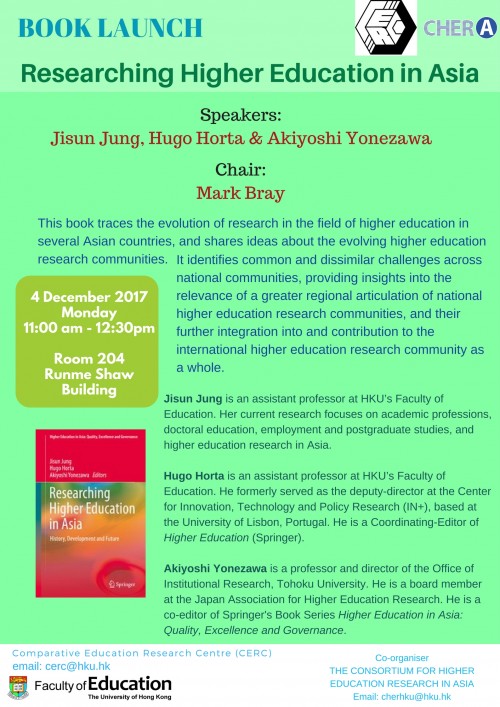
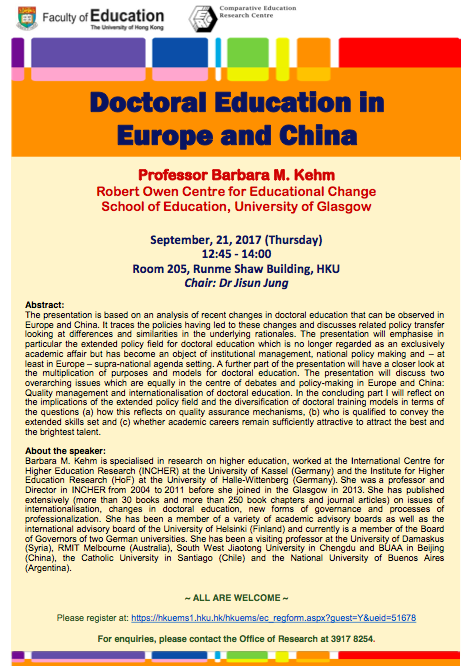
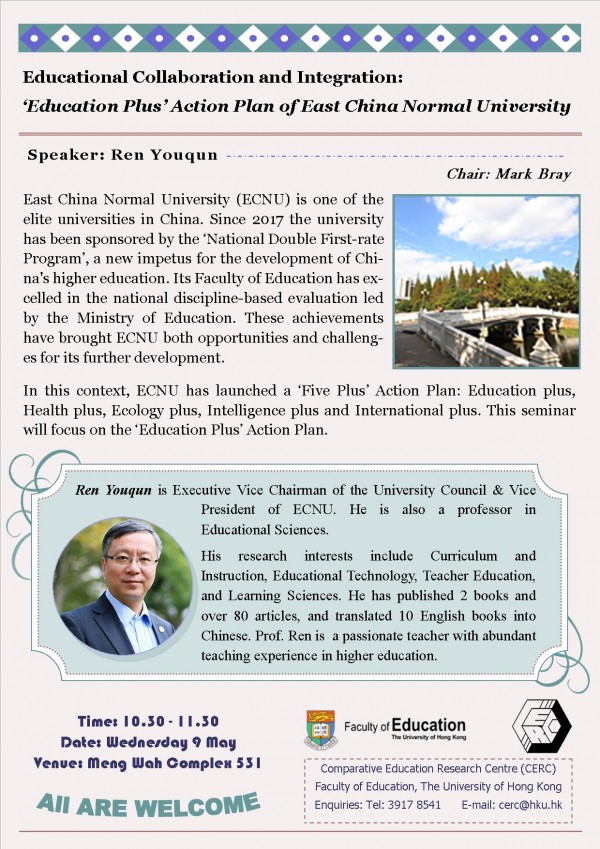
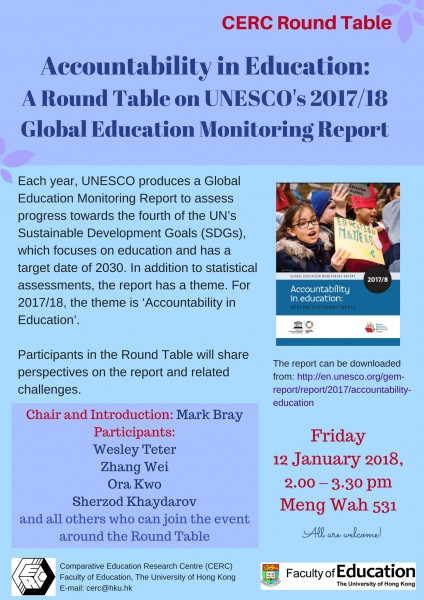
Chair: Mark Bray
Ren Youqun is Executive Vice Chairman of the University Council & Vice President of ECNU. He is also a professor in Educational Sciences.
His research interests include Curriculum and Instruction, Educational Technology, Teacher Education, and Learning Sciences. He has published 2 books and over 80 articles, and translated 10 English books into Chinese. Prof. Ren is a passionate teacher with abundant teaching experience in higher education.
Abstract: East China Normal University (ECNU) is one of the elite universities in China. Since 2017 the university has been sponsored by the ‘National Double First-rate Program’, a new impetus for the development of China’s higher education. Its Faculty of Education has excelled in the national discipline-based evaluation led by the Ministry of Education. These achievements have brought ECNU both opportunities and challenges for its further development.
In this context, ECNU has launched a ‘Five Plus’ Action Plan: Education plus, Health plus, Ecology plus, Intelligence plus and International plus. This seminar will focus on the ‘Education Plus’ Action Plan.
Time: 10.30 – 11.30
Date: Wednesday 9 May
Venue: Meng Wah Complex 531
All are welcome!
Click here for the poster.

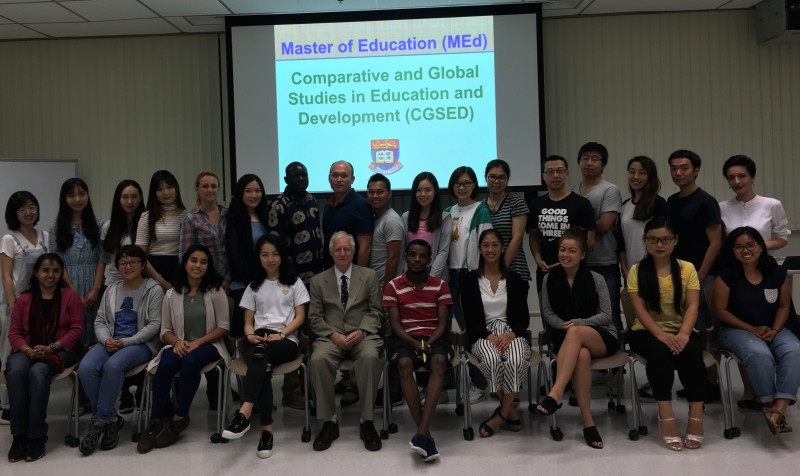
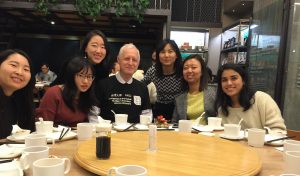 The MEd (CGSED) group has established a tradition of an annual alumni dinner. Vivica Xiong (2011-13) is the organizer, and on 14 December 2017 convened 20 past and present students at the Bijas restaurant on the HKU campus. In the line-up group photograph, Vivica is second from the left.
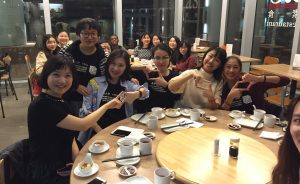 other. The CGSED students benefit not only from their peers but also their predecessors, finding intern opportunities and even future employment.

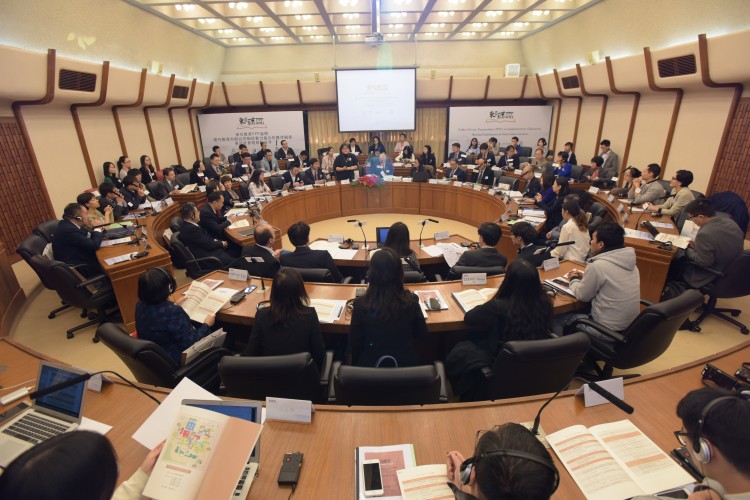
 The starting point was recognition that boundaries in education are less firm than before. Traditionally, formal schooling has been responsibility and domain of the public sector, but recent decades have brought a flourishing private sector in supplementary education. Most obvious is the academic form, provided by small, medium-sized and large companies.
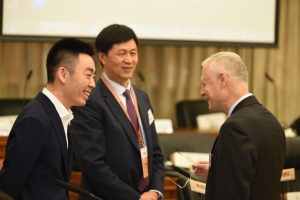 Mark Bray, the HKU’s UNESCO Chair Professor in Comparative Education. “It is breaking new conceptual ground”, he added, “not only in the four jurisdictions but also globally.” The University, he pointed out, provides a neutral arena in which stakeholders can dialogue on sensitive topics to identify ways forward in service of the common good.
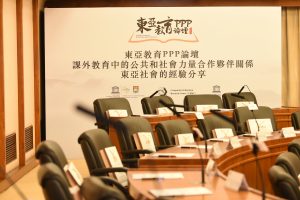 The organizers did not seek consensus on a single mode of operation for every jurisdiction. Rather, they placed in the arena sets of experiences for participants to discuss and learn from each other. They noted that the burden of governments worried about regulation can be alleviated when the supplementary education providers engage in self-regulation. Participants heard various examples, highlighting ways in which all stakeholders can follow their own mandates yet productively serve the common good.