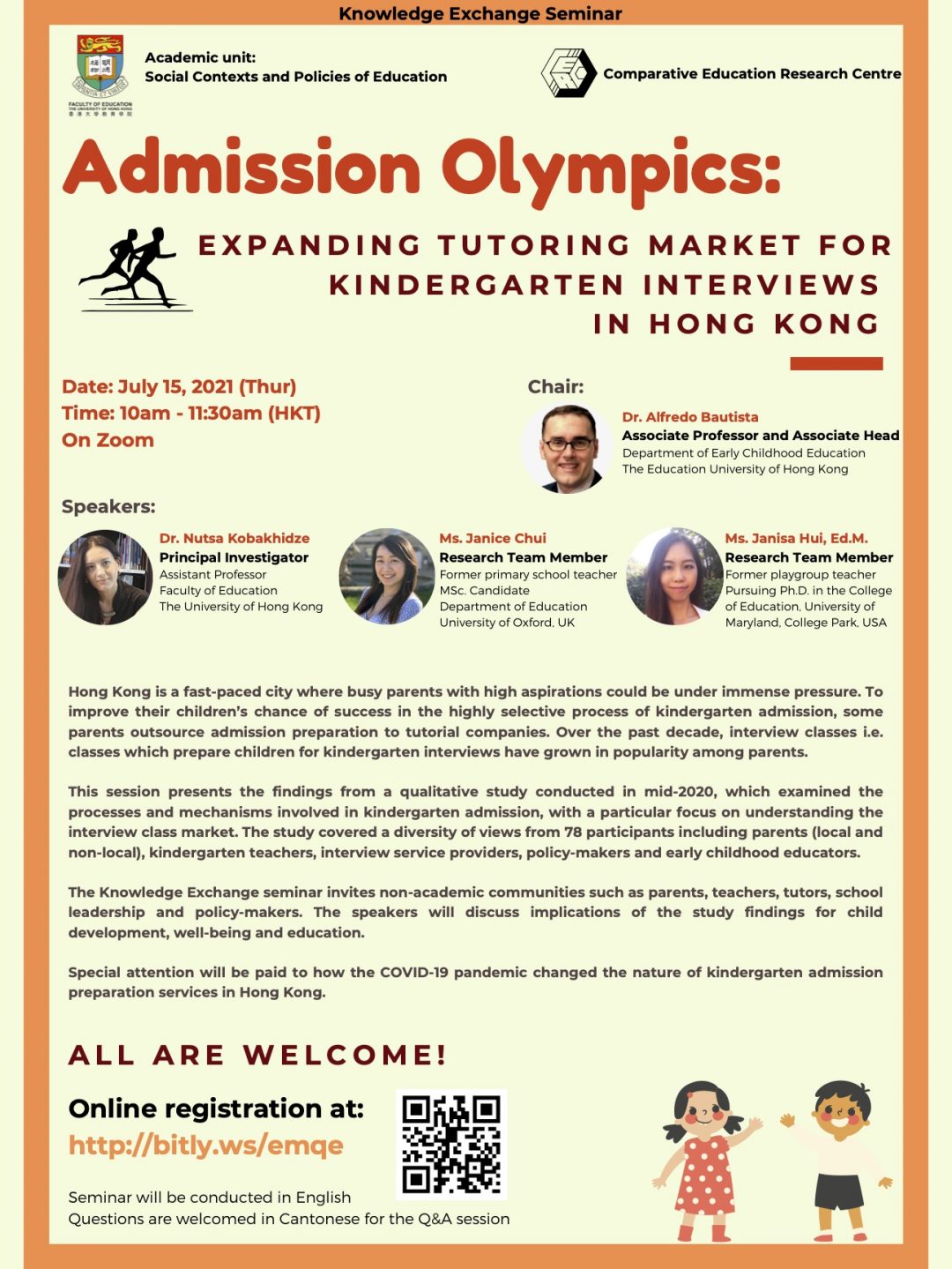
Date: July 15, Thursday, 2021
Time: 10 am to 11:30 am HKT
Zoom Registration link: https://hku.zoom.us/meeting/register/tJItcOyrqDooHt2ffGWUwg-kxJGnlfcohtSK
Chair:
Dr Alfredo Bautista, Associate Professor and Associate Head, Department of Early Childhood Education, The Education University of Hong Kong
Speakers:
Dr Nutsa Kobakhidze, Principal Investigator, Assistant Professor, Faculty of Education, The University of Hong Kong
Ms Janice Chui, Research Team Member, Former Primary School teacher, MSc. Candidate in the Department of Education, Oxford University, UK
Janisa Hui, Ed.M. Research Team Member, Former Playgroup Teacher. Pursuing PhD Degree in the College of Education, University of Maryland – College Park, USA
Hong Kong is a fast-paced city where busy parents with high aspirations could be under immense pressure. To improve their children’s chance of success in the highly selective process of kindergarten admission, some parents outsource admission preparation to tutorial companies. Over the past decade, interview classes i.e. classes which prepare children for kindergarten interviews have grown in popularity among parents.
This session presents the findings from a qualitative study conducted in mid-2020, which examined the processes and mechanisms involved in kindergarten admission, with a particular focus on understanding the interview class market. The study covered a diversity of views from 78 participants including parents (local and non-local), kindergarten teachers, interview service providers, policy-makers and early childhood educators.
The Knowledge Exchange seminar invites non-academic communities such as parents, teachers, tutors, school leadership and policy-makers. The speakers will discuss implications of the study findings for child development, well-being and education. Special attention will be paid to how the COVID-19 pandemic changed the nature of kindergarten admission preparation services in Hong Kong.
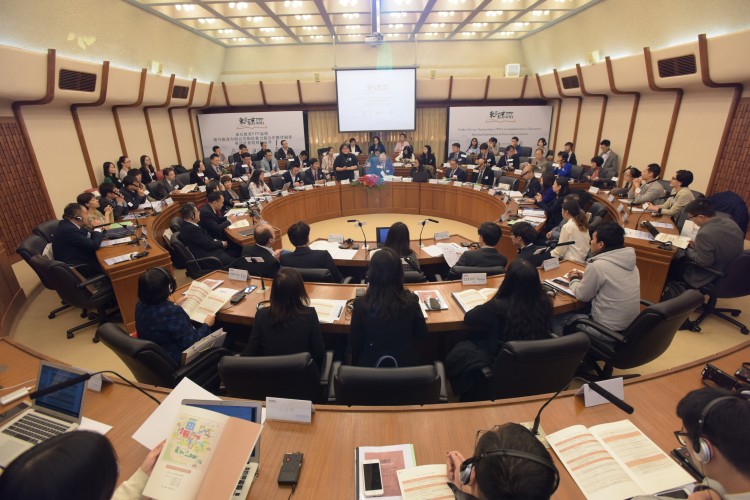
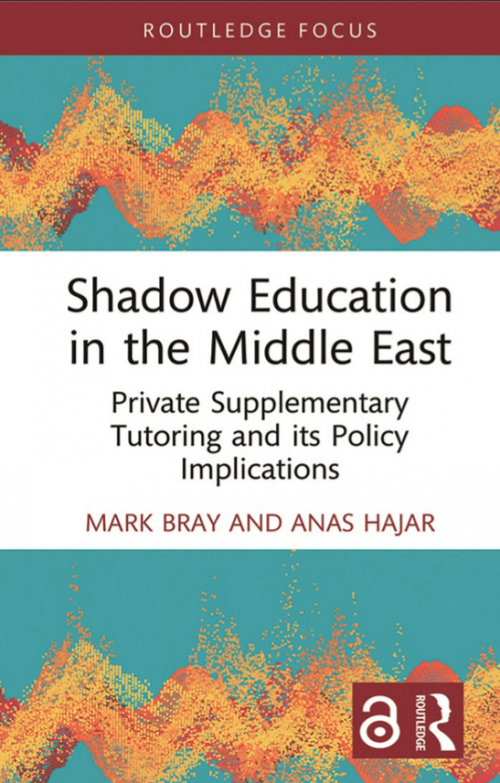
 The starting point was recognition that boundaries in education are less firm than before. Traditionally, formal schooling has been responsibility and domain of the public sector, but recent decades have brought a flourishing private sector in supplementary education. Most obvious is the academic form, provided by small, medium-sized and large companies.
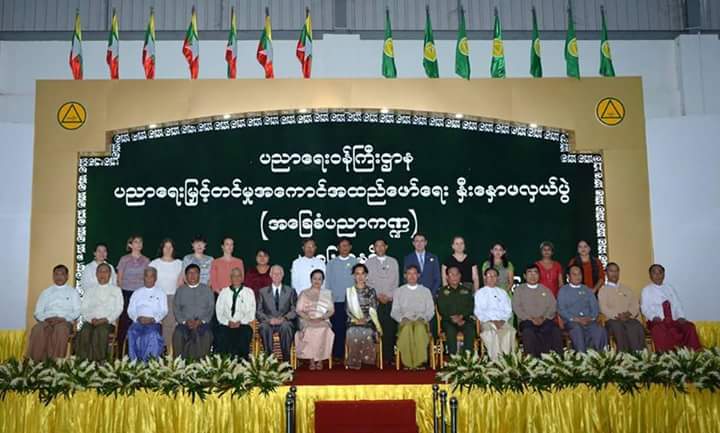
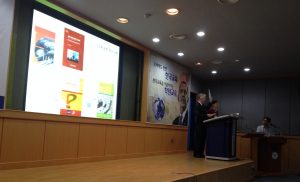
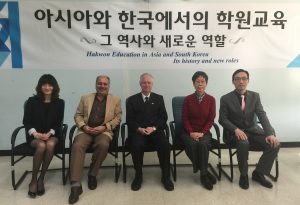
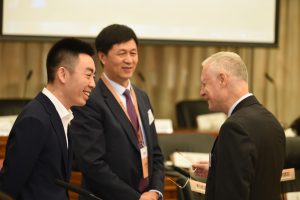 Mark Bray, the HKU’s UNESCO Chair Professor in Comparative Education. “It is breaking new conceptual ground”, he added, “not only in the four jurisdictions but also globally.” The University, he pointed out, provides a neutral arena in which stakeholders can dialogue on sensitive topics to identify ways forward in service of the common good.
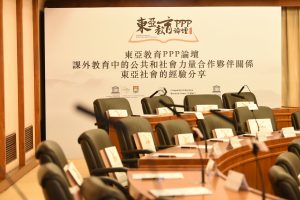 The organizers did not seek consensus on a single mode of operation for every jurisdiction. Rather, they placed in the arena sets of experiences for participants to discuss and learn from each other. They noted that the burden of governments worried about regulation can be alleviated when the supplementary education providers engage in self-regulation. Participants heard various examples, highlighting ways in which all stakeholders can follow their own mandates yet productively serve the common good.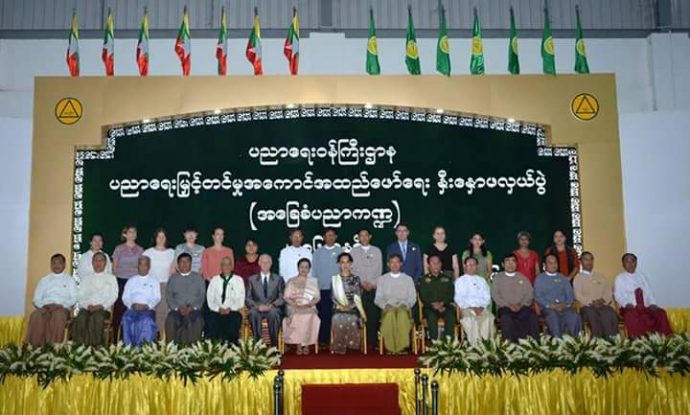
 groundbreaking 1996
![IMG_5707[1]](https://cerc.edu.hku.hk/wp-content/uploads/IMG_57071-150x150.jpg)